Creating a relaxing home office environment is essential for maintaining focus, reducing stress, and enhancing productivity. Whether you work remotely full-time or occasionally need a quiet place to tackle tasks, your workspace should promote comfort and calm. This guide offers practical tips to help you design a home office that feels welcoming and supports your best work.
1. Choose the Right Location
Selecting the right spot for your home office sets the foundation for a relaxing environment.
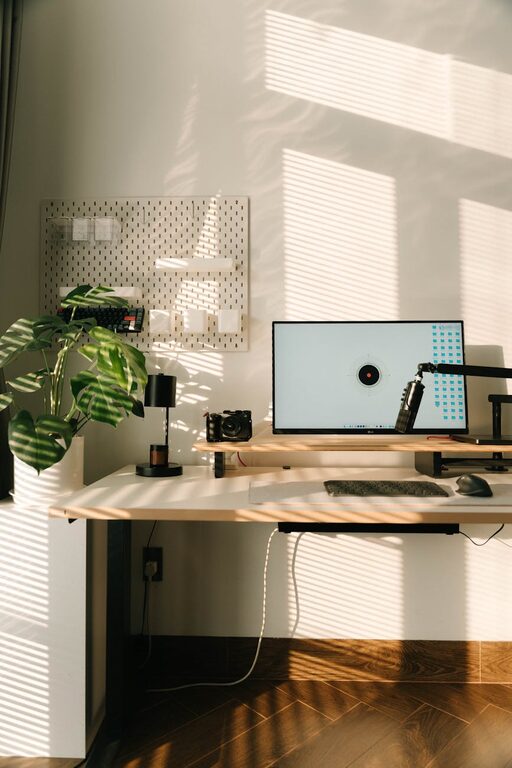
– Pick a space with natural light: Natural sunlight can boost mood and energy. Position your desk near a window if possible.
– Find a quiet area: Avoid busy areas of your home to minimize distractions and noise.
– Consider space needs: Make sure there’s enough room for your desk, chair, and essential equipment with some breathing room around you.
2. Invest in Comfortable Furniture
Comfort directly affects your ability to focus for long periods.
– Ergonomic chair: Choose a chair with good lumbar support and adjustable features to reduce strain.
– Desk height: Use a desk that fits your height and allows your arms to rest at a comfortable angle.
– Additional seating: If space allows, a small cozy chair or cushion can provide a break spot for reading or thinking.
3. Control Lighting for Comfort
Good lighting reduces eye strain and creates a pleasant atmosphere.
– Use layered lighting: Combine natural light with task lighting (desk lamps) and ambient lighting (floor lamps or overhead lights).
– Avoid glare: Position screens away from direct light sources and use blinds or curtains to control brightness.
– Choose warm light bulbs: Softer, warm lights help create a calm space compared to harsh, cool lighting.
4. Organize and Declutter
An organized workspace promotes clarity and reduces stress.
– Keep essentials close: Store frequently used items like pens, notebooks, and chargers within easy reach.
– Use storage solutions: Shelves, drawers, and baskets keep clutter out of sight but accessible.
– Daily tidy routine: Spend a few minutes at the end of each day to put things away and reset the space.
5. Personalize Your Space Thoughtfully
Personal touches can make your office feel more inviting without distractions.
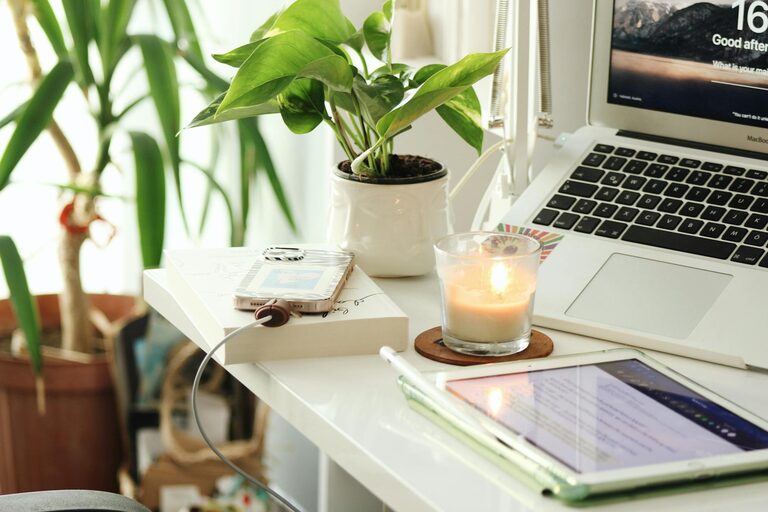
– Add plants: Greenery improves air quality and adds a calming, natural vibe.
– Display meaningful items: Photos, artwork, or inspirational quotes can motivate without overwhelming.
– Choose calming colors: Soft blues, greens, or neutrals promote relaxation and focus.
6. Minimize Noise and Distractions
A peaceful environment aids concentration and reduces stress.
– Use noise-canceling headphones: These can help block out household noise or create your own sound environment.
– Play ambient sound: Low-volume nature sounds or white noise can boost focus.
– Set boundaries: Communicate workspace rules with family or roommates during working hours.
7. Keep Air Quality Fresh
Good air quality helps maintain energy and keeps you comfortable.
– Ventilate regularly: Open windows for fresh air when possible.
– Add air purifiers or plants: Some plants help filter the air naturally.
– Control temperature: Adjust heating or cooling to a comfortable level to avoid distractions.
8. Incorporate Movement and Break Areas
A relaxing office supports both focused work and necessary breaks.
– Include space for stretching: Leave room for simple stretches or short exercises.
– Take regular breaks: Step away from screens every hour to refresh your mind.
– Consider a standing desk option: Alternating between sitting and standing can reduce fatigue.
—
Final Thoughts
Designing a relaxing home office is about balancing comfort, functionality, and personal preferences. By carefully selecting your location, investing in comfortable furniture, managing lighting and noise, and keeping your space organized, you create an environment that supports both productivity and well-being. Remember, small changes often make the biggest difference in how you feel during your workday. Take the time to curate a space that invites you to focus and feel at ease.